Need emergency tree removal in Fremont?
Questions about a tree, a stump, or a storm mess? Send a request and a local provider can follow up with next steps.
No obligation
Request an estimate or ask about availability
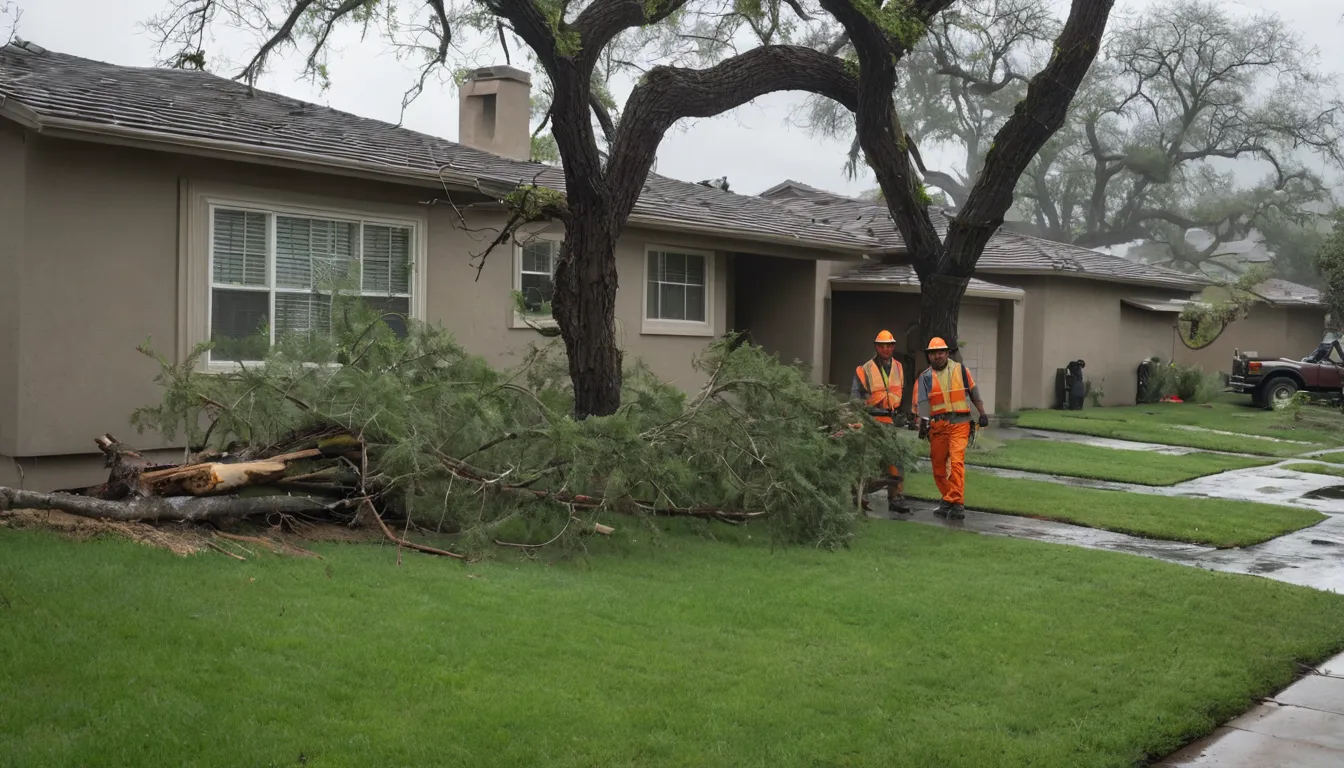
If a tree has fallen or cracked, you are probably worried about your family, your roof and what happens next. That is a fair worry. This page explains emergency tree removal in plain words, so you know what to do first and what to ask later.
Sensitiveanyone Tree Service is a referral service. We do not cut or haul trees ourselves. Independent providers in our network do the work, and we help you reach one. You can share photos, describe the problem and ask about availability. Many providers can respond quickly, though timing depends on the storm, the season and the job. There is no obligation to hire anyone.
A tree on your roof, fence or driveway is scary. You may not know who to call or what to do first. That is normal, and you are not alone.
This page walks you through it in order, from the most urgent step to the least. Providers do the work. Sensitiveanyone Tree Service helps you reach one.
Before photos, phone calls or cleanup, get everyone away from the tree. Nothing in your yard is worth a injury.
If a wire touches or hangs near the tree, stay back. Do not touch the tree, the wire or any wet ground nearby. Keep children and pets inside. Contact your utility company or emergency services about the wire.
If you smell gas, hear loud cracking or see a sagging roof, go outside and contact emergency services. Do not walk back in to look around.
Urgent means a risk to people or to your home. Here are common signs:
Some problems can wait a little. A dead branch far from the house or a small limb in the yard is usually not an emergency. A leftover stump can wait too. Stump grinding is a later step, and a provider can price it with the main job.
Once everyone is safe, take pictures from a distance. Do not climb on anything or step under a hanging limb.
Take one wide photo of the whole tree and where it landed. Then take close-ups of any damage to the roof, stucco, fence or car. Write down the date and time. Add a few short notes about what you heard and saw.
Keep it all in one folder on your phone. Providers can often give a clearer quote from good photos. The same folder helps if you talk to your insurer later.
Storm tree clearance means cutting up and hauling away trees or limbs that a storm knocked down or loosened. The steps are simple:
If a tree is on the roof, ask whether the provider can help with a temporary cover or work with a roofer. Not every provider offers this, so ask early.
Sometimes the tree has not fallen yet, but it looks wrong. A tree falling service takes a standing tree down in controlled pieces before wind or rain does it for you.
This matters on lots with low rooflines and close fences, which are common around ranch-style and older tract homes. A tree that leans toward the house deserves a quick look from a provider.
Some policies may cover sudden damage from a fallen tree. Check your policy, because coverage differs from home to home.
Providers can often help document damage for a claim. Ask for a written quote and a final invoice, and keep your photos and notes together.
Contact your insurer early and ask what they need. Do not hold back a real safety step while you wait for an answer.
After a major storm, many neighbors need help at the same time. Providers may be busy, and you might wait longer than you hoped.
Tell the provider if a tree is on the house or blocking the road. That detail helps them plan. Expect loud saws and heavy equipment. Your yard may look rough for a bit, with sawdust and leftover pieces.
Ask what cleanup is included, so nothing surprises you.
Long dry seasons stress trees and weaken roots. Then a winter rain event soaks the ground, and a heavy tree can tip. Smoke seasons can also leave trees stressed and brittle.
If you see dead branches, thin leaves or soil heaving near the base, that is a hint to get an opinion before the next storm.
You cannot stop every storm, but you can lower the odds.
A short list keeps you steady on the phone. Ask:
Photos first, quotes next. Once you are safe and have your pictures, share them and ask about availability. There is no obligation, and you choose what happens next.
A provider cuts the tree in sections and hauls it off your lot.
Limbs, trunks and branches blocking driveways, fences or yards are cut up and cleared.
A cracked or leaning tree is brought down in controlled pieces before it falls.
Many providers rake, haul and clear sawdust and branches. Confirm this on the quote.
Prices change with tree size, access, danger and timing. These are typical U.S. ranges only. Always ask for a written quote that lists exactly what is included.
| Item | Typical range | Notes |
|---|---|---|
| Small fallen tree, yard cleanup | $300 – $1,000 | Easy access and small trunk keep prices down |
| Medium tree cut and hauled | $800 – $2,500 | Depends on height and trunk width |
| Large tree on a roof or fence | $1,500 – $5,000 | Extra care and equipment raise the price |
| Tree near power lines | $1,500 – $4,500 | Utility work may be needed first |
| Storm debris haul-away | $200 – $800 | Varies with the amount of material |
| Limb removal from a roof | $500 – $2,000 | Roof repair is a separate cost |
Move people and pets away from the tree and any wires, and contact emergency services if needed.
Capture wide and close shots from a safe distance, and add notes.
Request an estimate and describe the damage and where the tree landed.
Check scope, cleanup and stump details before you agree to the work.
Plain advice on safety, photos and questions, so you are never guessing what comes next.
Independent providers in our network know local homes, trees and weather.
Your photos and notes make quotes and insurance talks simpler.
Ask about availability and compare quotes. There is no obligation.
Questions about a tree, a stump, or a storm mess? Send a request and a local provider can follow up with next steps.
Get everyone outside and away from the tree and any wires. If you smell gas or see structural damage, contact emergency services. Once safe, take photos and ask a provider about availability.
Some policies may cover sudden damage from a fallen tree, but plans differ, so check yours. Providers can often help document the damage for a claim. Keep your photos, written quote and final invoice together.
Typical U.S. prices run from a few hundred dollars for a small tree to several thousand for a large tree on a roof. Size, access, wires and timing all matter, so get a written quote.
Questions about a tree, a stump, or a storm mess? Send a request and a local provider can follow up with next steps.
No obligation