Need stump grinding in Fremont?
Questions about a tree, a stump, or a storm mess? Send a request and a local provider can follow up with next steps.
No obligation
Request an estimate for your stump
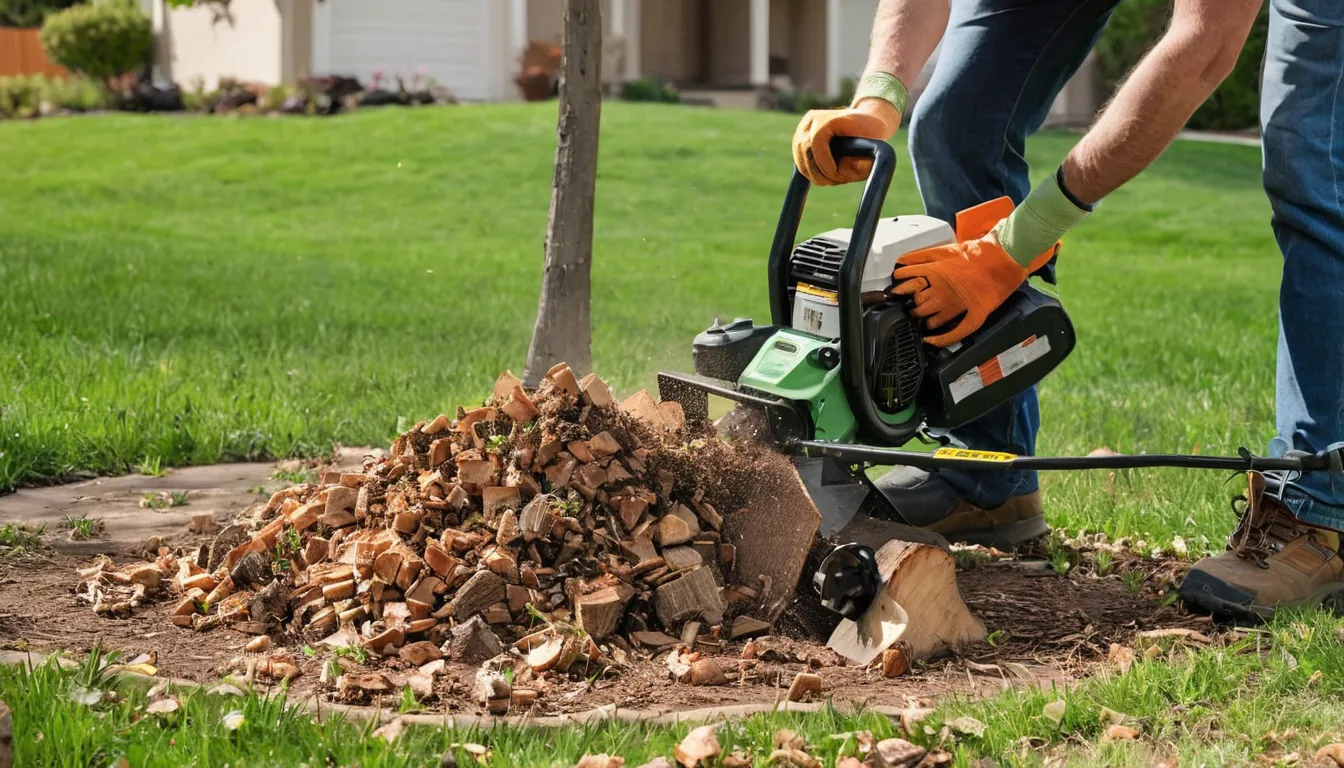
A stump can feel like a small problem, but it tends to bother people more each season. You trip over it while mowing. It rots, attracts insects, and sends up sprouts. If this is your first time dealing with one, that is okay. Stump grinding is a simple job, and the steps are easy to learn.
Sensitiveanyone Tree Service is a referral service. We connect homeowners in Fremont and the Fremont area with independent local providers in our network. Providers do the work, and Sensitiveanyone Tree Service does not. This page explains how grinding works, what affects the price, and what photos and notes to gather. Photos first, quotes next. Then you can request an estimate with confidence.
Staring at a stump and wondering what to do is normal. Most people have never booked this kind of job. Here is the short version. A provider uses a machine to chew the stump down below ground level. After that, you can plant grass, add a garden bed, or build over the spot.
If a tree is still standing and leaning, or has just fallen on your home, that is a different job. Ask about emergency tree removal instead. This page is only about the stump left behind.
A stump hides well in grass. Kids, guests and lawn mowers can hit it. Splintered edges can also cut skin or tear a shoe. If your stump sits near a walkway, driveway or play area, put it at the top of your list.
Until a provider visits, mark it with a bright cone or a flag. It costs almost nothing and helps everyone see it.
Dead wood slowly softens. Termites, carpenter ants and beetles like it. Long dry seasons crack the wood, and winter rain soaks it again. Damp, soft wood draws insects, and they can wander toward the house. Many stucco ranch homes and older bungalows have wood trim close to the ground, so it is smart to act.
Some stumps keep sending up green shoots. Roots can also push on slabs, pipes and paving. Grinding takes out the stump itself. Roots farther out usually stay and decay over time.
A grinder has a spinning wheel with hard teeth. The operator sweeps it from side to side across the stump. It turns the wood into chips, often several inches below the soil. A small stump may take under an hour. A big one takes longer.
A careful provider looks for buried lines first. These can include irrigation, gas, water and electric. Ask who contacts the local utility-marking service. It is a normal question.
The chips fill the hole and form a loose pile. Some providers haul them away. Others leave them for you. Ask which one is included in the quote.
Grinding is faster and makes less mess. Full removal digs out the stump and the main roots, often with heavy equipment. It costs more and tears up more ground.
For most lawns and garden beds, grinding is enough. Full removal is worth asking about if you plan to pour a slab, build a structure, or plant a new tree in the exact spot. Tell the provider your plan, and let them advise.
Maybe you bought a house with stumps already in the yard. Maybe a tree came down after storm tree clearance and the stump stayed. Older stumps are often softer, so they can grind faster. They also hide in tall grass or under ivy.
Walk the whole yard before you call. Flag every stump, even tiny ones. Add them all to one request so a provider can quote the full job.
Being organized makes quotes quicker and clearer. Try this list:
Save everything in one phone album. If the tree fell in a storm, keep those photos too. Some policies may cover sudden damage, so check your policy. Stump grinding on its own may not be covered. Providers can often help document damage for a claim.
Prices vary by job. These things move the number most:
Get a written quote that lists what is included. Compare quotes line by line.
Request a callback to check provider availability in your area.
A little prep helps the visit go smoothly.
Expect noise and some flying chips. Close windows on that side of the house.
The hole will settle over time, so fill it in layers. Add soil, press it down, then add more. Top it with sod or seed. In dry seasons, water new grass often. During winter rain, watch for mud and sinking spots, and top off with soil as needed.
Wait before planting a new tree in the same place. Ask your provider how long, since old wood chips in the soil can affect young roots.
You do not need to know everything. Take your photos, jot down a few notes, and share them. One clear next step is all it takes.
A provider grinds the stump below ground level so your yard is flat and safe.
Ask whether chips are hauled off or left in the hole for you to reuse.
Several stumps can go in one request, and providers can quote them together as one job.
Before cutting, providers look at access, roots and buried lines so the visit goes smoothly.
These are typical U.S. ranges, and real prices vary by stump size, access and location. Use them as a rough guide, then ask for a written quote from a provider.
| Item | Typical range | Notes |
|---|---|---|
| Small stump (under 12 in.) | $75 – $200 | Quick job with easy access |
| Medium stump (12–24 in.) | $150 – $400 | Most common home stump size |
| Large stump (over 24 in.) | $300 – $800 | Takes longer and needs more passes |
| Minimum service visit | $100 – $250 | Some providers set a base price |
| Surface roots and extra depth | $50 – $300 | Added for wide roots or deeper cuts |
| Chip haul-away | $50 – $200 | Often optional, so ask in the quote |
Take wide and close-up photos with something for scale, and note the width and nearby objects.
Share your photos and notes, or ask about provider availability in your area.
Check what each quote includes, such as depth, cleanup and chip haul-away.
Pick a provider, prepare the area, and plan how to fill and replant the spot.
Clear photos and a few notes help providers understand your stump before they visit.
Independent local providers handle the grinding. Sensitiveanyone Tree Service simply connects you.
We explain each part of the job in everyday words so nothing feels confusing.
Request an estimate with no obligation, and take your time comparing quotes.
Questions about a tree, a stump, or a storm mess? Send a request and a local provider can follow up with next steps.
Many small stumps take under an hour, while large stumps or several stumps take longer. Time depends on width, wood type, roots and access. A provider can give a clearer estimate once they see your photos.
Often yes, once the hole is filled with soil and packed down. The ground will settle, so you may need to top it off. Ask your provider about chips, soil and timing.
Some policies may cover sudden storm damage, but stump grinding alone may not be included. Check your policy and keep photos and notes. Providers can often help document damage for a claim.
Questions about a tree, a stump, or a storm mess? Send a request and a local provider can follow up with next steps.
No obligation